Complete Guide to Choosing the Right Motorhome Layout
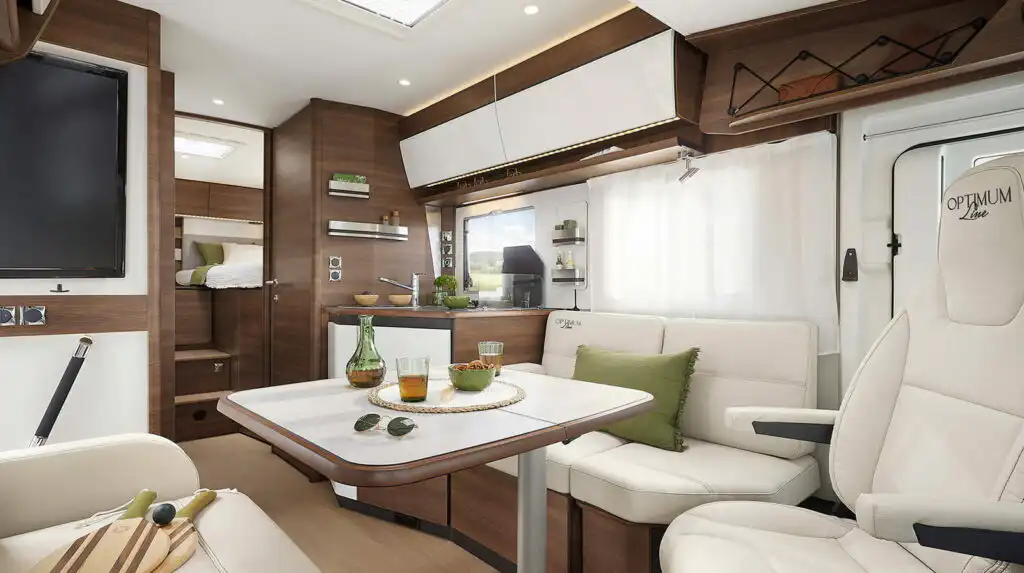
Contents
- Choosing Your Motorhome Layout
- What Is a Motorhome Layout?
- Motorhome Layout Comparison
- Coachbuilt Motorhome Layouts
- Fixed Bed Motorhome Layouts
- Island Bed Motorhome Layouts
- Rear Lounge Motorhome Layouts
- Best Motorhome Layouts for Families
- Best Motorhome Layouts for Couples
- How to Choose the Right Motorhome Layout
- Why Choose Dicksons of Perth for Your Next Motorhome?
- View Different Motorhome Layouts at Dicksons of Perth
Choosing a motorhome is not simply about finding the right manufacturer, specification or price. The layout determines how comfortably the vehicle will work for you every day, from where you sleep and store your belongings to how easily you can cook, relax and move around inside.
The best motorhome layout depends on how you travel. Couples often prefer island beds, rear lounges or fixed single beds, while families may need bunk beds, over-cab beds or four to six belted travel seats. If you plan longer tours, prioritise a fixed bed, good storage and a practical washroom. If you take short breaks or want easier parking, a compact coachbuilt motorhome or campervan may be a better fit.
Choosing Your Motorhome Layout
- Choose a fixed bed if you want a permanent sleeping area that does not need making up each evening.
- Consider an island bed if easy access from both sides and a bedroom-like feel are priorities.
- Look at fixed single beds if you want easy access, separate sleeping spaces and a large rear garage.
- Choose a rear lounge if daytime relaxation, panoramic views and flexible sleeping arrangements matter most.
- Consider bunk beds, an over-cab bed or a drop-down bed for a family motorhome.
- Look at compact coachbuilt motorhomes or campervans if you value manoeuvrability and easier parking.
- Check the number of travelling seats as well as the advertised number of berths.
- Test the beds, kitchen, washroom and storage in person before making a decision.
You can compare the latest new and used motorhomes for sale at Dicksons of Perth to see how these layouts work in different vehicles.
What Is a Motorhome Layout?
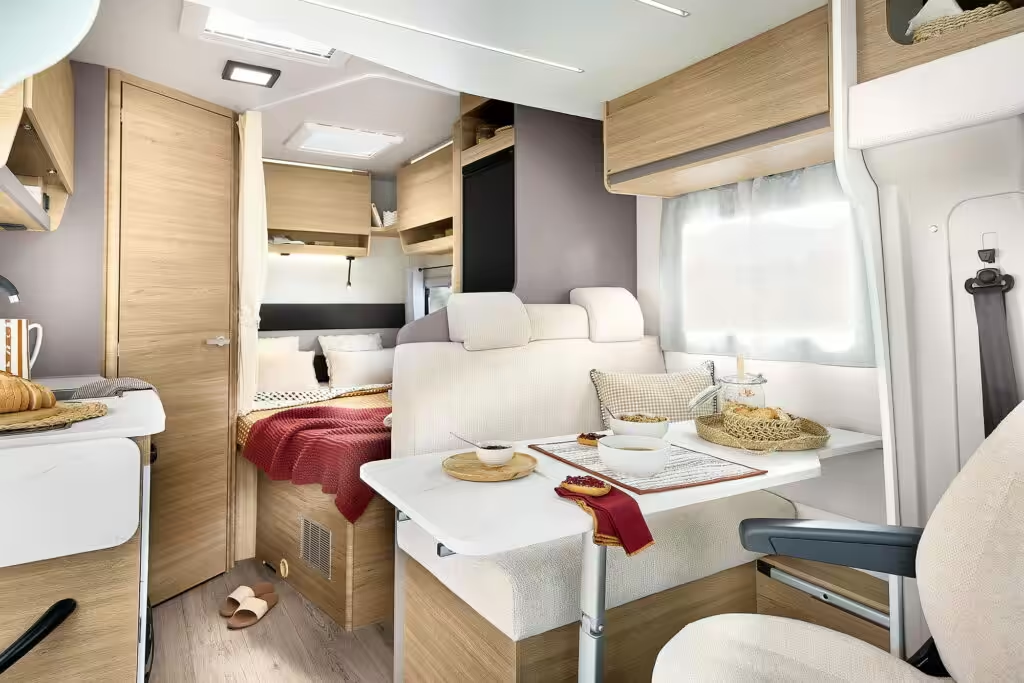
A motorhome layout describes the arrangement of its living, sleeping, kitchen, washroom and storage areas. Manufacturers often use different names or model numbers, but most motorhome floorplans are based on a familiar selection of bed and lounge configurations.
Before comparing individual vehicles, consider how you expect to use your motorhome:
- How many people will regularly travel and sleep in it?
- Will you mainly take short breaks or spend several weeks away?
- Do you want a permanent bed or more daytime living space?
- How much outdoor equipment will you carry?
- Do you need a large washroom and separate shower?
- Are all passengers comfortable using steps or climbing into a raised bed?
- Will the vehicle need to fit on your driveway?
- Are you comfortable driving and parking a longer motorhome?
The number of berths should not be considered in isolation. A four-berth motorhome may sleep four people but only have two designated travelling seats with seatbelts. Always confirm both figures if more than two people will travel in the vehicle.
The relationship between each part of the interior also matters. A motorhome can look spacious on paper but become difficult to use if an extended bed blocks the doorway, the washroom or access to storage.
Motorhome Layout Comparison
| Layout | Best suited to | Main advantage | Main consideration |
| Fixed island bed | Couples and extended touring | Access from both sides | Requires considerable permanent floor space |
| Fixed single beds | Couples, friends and long tours | Easy access and excellent garage storage | Beds are often raised |
| French bed | Couples wanting a shorter vehicle | Space-efficient permanent double bed | One side is positioned against a wall |
| Transverse double bed | Couples carrying bulky equipment | Large garage beneath the bed | One person may need to climb over the other |
| Rear lounge | Couples and sociable touring | Spacious daytime living area | Bed usually needs making each evening |
| Drop-down bed | Couples or small families | Preserves daytime floor space | Check headroom and access when lowered |
| Bunk beds | Families with children | Dedicated sleeping space for children | Less adaptable as children grow |
| Over-cab bed | Families and larger groups | Permanent bed without using the lounge | Higher vehicle profile and ladder access |
| Convertible dinette | Occasional guests | Flexible use of available space | Requires daily conversion and bedding storage |
Coachbuilt Motorhome Layouts
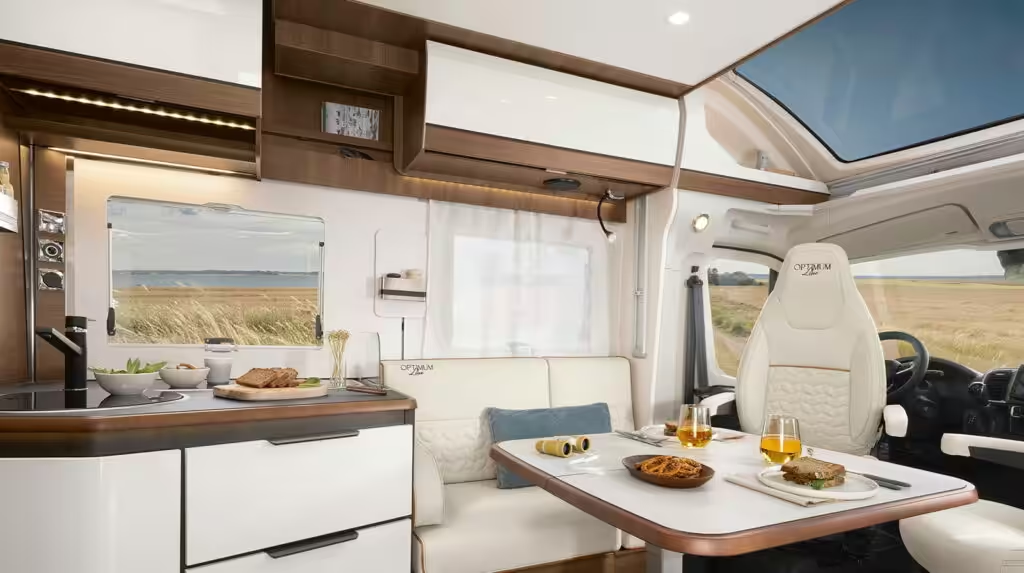
Coachbuilt motorhomes are built using a cab and chassis with a purpose-designed living body added behind. This gives manufacturers more freedom to create wider interiors, larger washrooms, permanent bedrooms and generous storage.
They are available in several forms, including low-profile, over-cab and A-Class motorhomes. Depending on the model, coachbuilt layouts may include:
- Fixed island, French, transverse or single beds
- Rear lounges and convertible dinettes
- Electric or manual drop-down beds
- Separate showers and washrooms
- Large garages beneath raised beds
- Four or more belted travel seats
- Over-cab sleeping areas
The additional width can make a coachbuilt motorhome feel more like a compact apartment than a converted vehicle. This makes it particularly appealing for longer tours and those who want distinct cooking, sleeping and living areas.
The trade-off is that larger coachbuilt models require more care when navigating narrow roads, car parks and smaller pitches. If manoeuvrability is important, explore motorhomes under six metres, which combine many coachbuilt comforts with a more compact body.
Advantages
- Greater choice of bed and lounge arrangements
- More interior width and headroom
- Larger kitchens and washrooms
- Better separation between living and sleeping areas
- Generous internal and external storage
- More options for families and longer tours
Considerations
- Wider and often longer than a campervan
- May be harder to park in standard spaces
- Larger models can have a higher maximum authorised mass
- The most spacious layouts may cost more to buy and run
Fixed Bed Motorhome Layouts
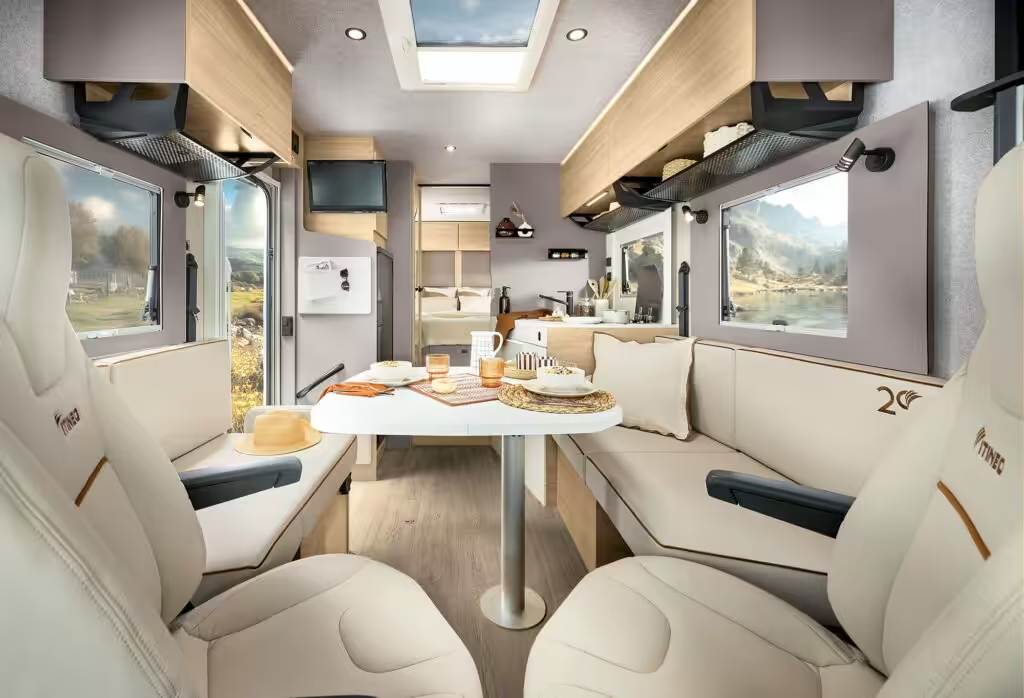
A fixed bed remains permanently made up, removing the need to convert a lounge or dinette every evening. This is one of the most popular choices among travellers who use their motorhome frequently or spend longer periods away.
The main types of fixed bed include:
- Island beds
- Fixed single beds
- French beds
- Transverse double beds
- Fixed bunks
A permanent bed provides valuable comfort and convenience, but it occupies space throughout the day. Manufacturers often compensate by positioning the bed above a garage or adding storage underneath.
When viewing a fixed-bed motorhome, lie on the bed rather than judging it by sight. Check its length, width, mattress comfort and headroom. If it is raised, make sure you can climb in and out comfortably during the night.
Fixed Bed Pros and Cons
Advantages
- No need to make the bed every evening
- Bedding can remain in place during the day
- Often provides substantial storage underneath
- Creates a separate bedroom area
- Well suited to frequent and extended touring
Considerations
- Uses permanent floor space
- Can reduce the size of the lounge
- Raised beds may be harder to access
- Some arrangements offer limited access from one side
Island Bed Motorhome Layouts
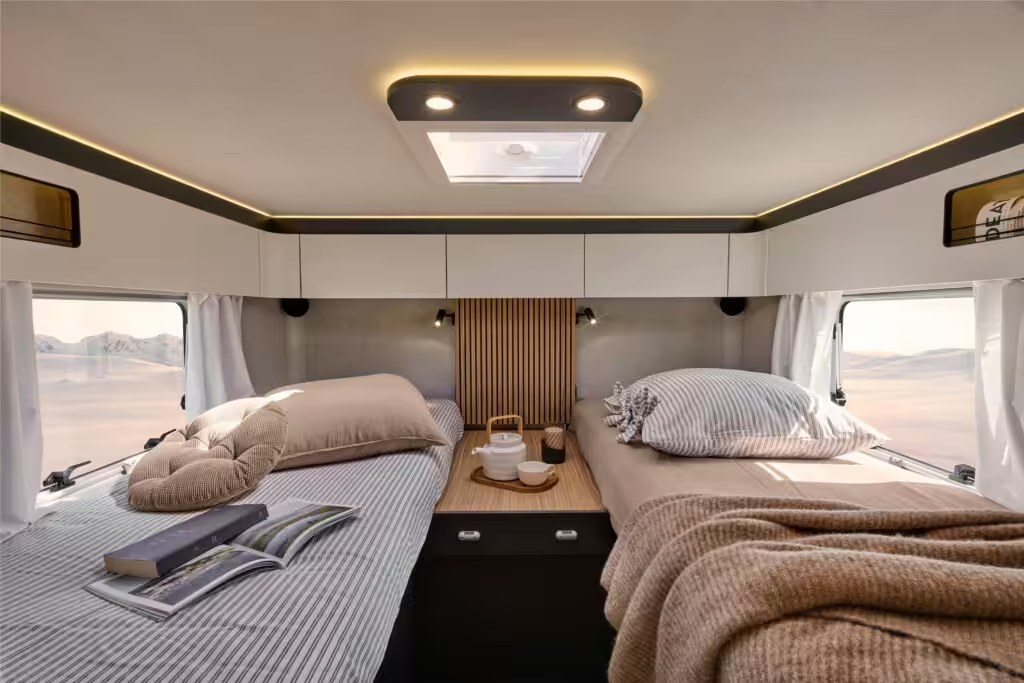
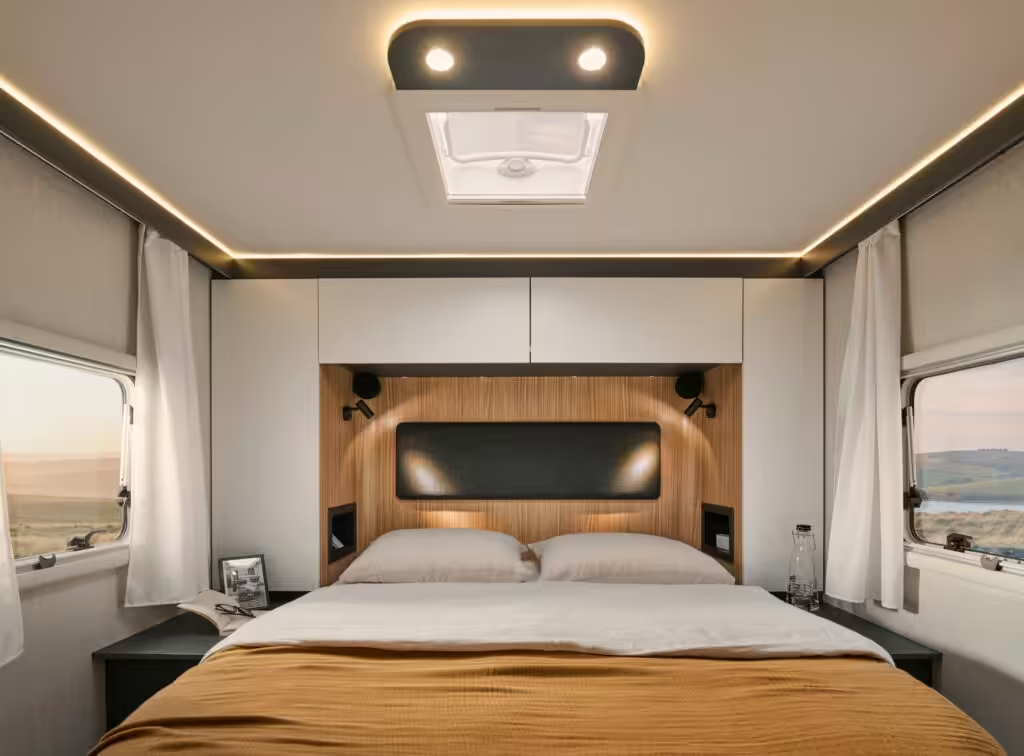
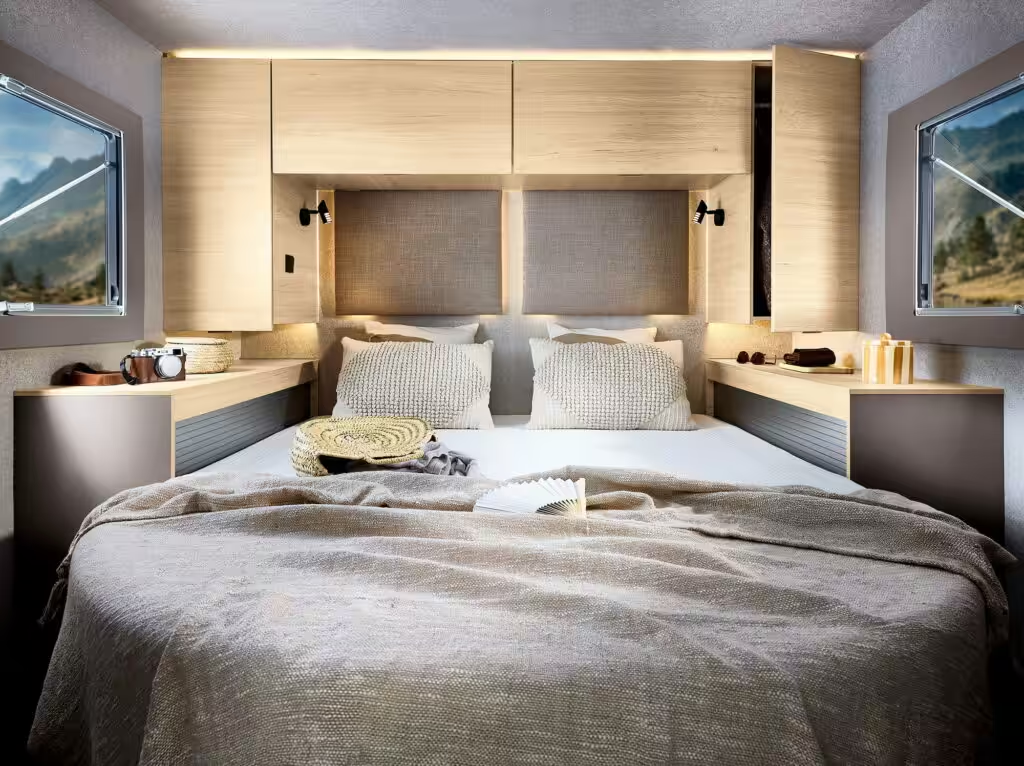
An island bed is a fixed double bed positioned lengthways, usually in the rear bedroom. There is typically access on both sides and space around the foot, creating a layout that feels similar to a bedroom at home.
This arrangement is particularly useful for couples with different sleeping schedules because either person can leave the bed without climbing over the other. Many island-bed motorhomes also include wardrobes on both sides, overhead lockers and storage beneath the bed.
Some models allow the bed to move forwards, backwards, up or down. This can create extra walking space during the day or increase the height of the garage below when required.
An island bed is comfortable, accessible and luxurious, but it requires a relatively long motorhome. Pay attention to the space around the foot of the bed, particularly when doors, drawers and wardrobes are open.
Rear Lounge Motorhome Layouts
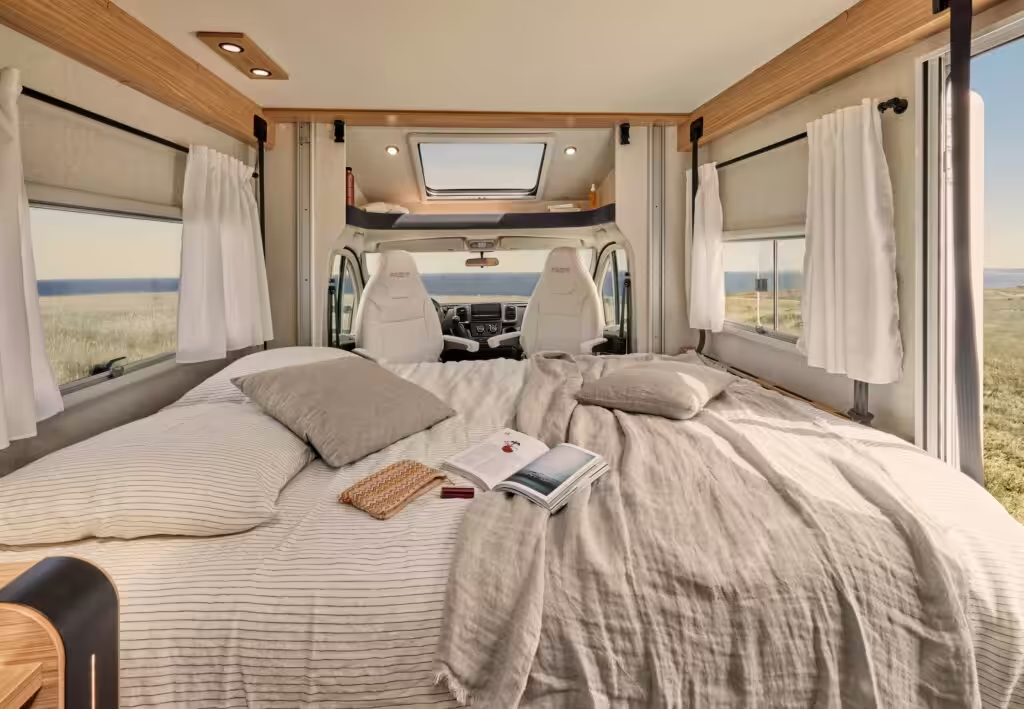
A rear lounge occupies the back of the motorhome and usually features parallel bench seats or a U-shaped seating area. Large windows on several sides create a bright, sociable space with excellent views from the pitch.
At night, the lounge normally converts into a double bed or two single beds. Some modern layouts add a drop-down bed above the seating, allowing the main lounge to remain partially usable.
Rear lounges are particularly popular with couples who spend more time relaxing inside and do not mind making the bed. They can also work well for entertaining visitors, as the separate front dinette found in some models creates a second seating area.
The main compromise is the lack of a permanent rear bedroom or garage. Bedding must also be stored during the day unless a drop-down bed is fitted.
Rear Lounge Pros and Cons
Advantages
- Spacious and comfortable daytime seating
- Panoramic views through several windows
- Sociable arrangement for relaxing and entertaining
- Can provide two single beds or a large double
- Makes good use of the full width of the vehicle
Considerations
- The bed may need making up each night
- Bedding requires dedicated storage
- Usually lacks a large rear garage
- Converted beds should be tested for length and comfort
Best Motorhome Layouts for Families
The best motorhome layouts for families provide each person with a safe travel seat, a practical sleeping space and somewhere to relax when the weather keeps everyone inside.
Popular family arrangements include:
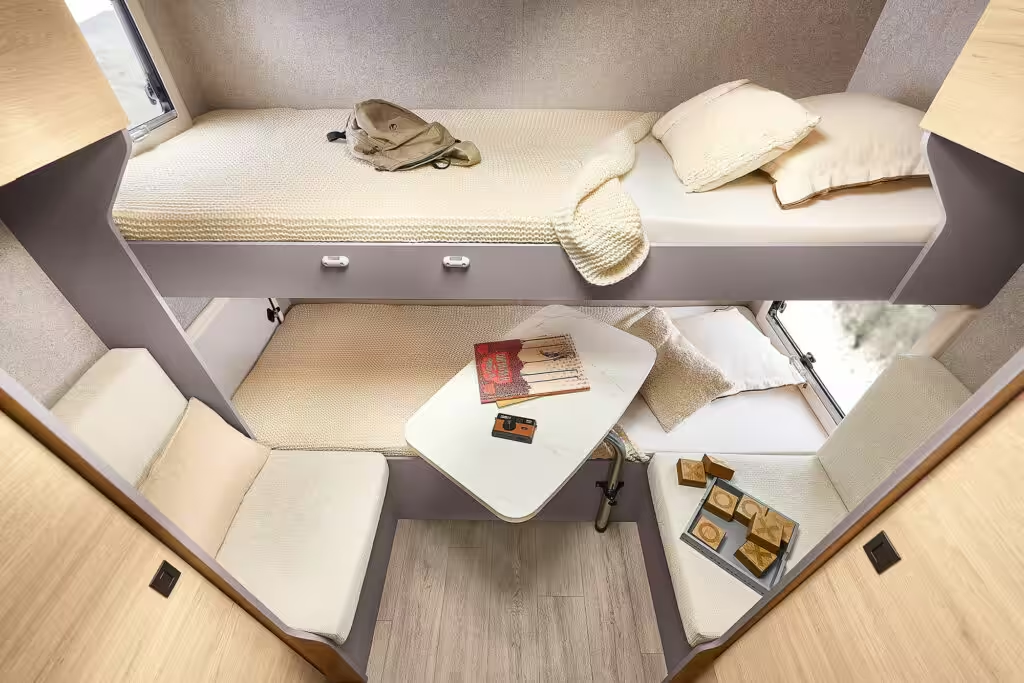
- Fixed rear bunk beds
- An over-cab double bed
- A front drop-down bed
- A convertible dinette
- A rear lounge with additional sleeping space
- Fixed single or island beds for adults
- A garage for pushchairs, bicycles and outdoor equipment
Bunk-bed layouts give children a familiar sleeping area without requiring the lounge to be dismantled. Over-cab beds also provide a permanent sleeping space while leaving the main living area available.
A drop-down bed can be an effective alternative in a lower-profile vehicle, but check whether it blocks the habitation door, kitchen or lounge when lowered. Families should also consider where everyone’s clothes, bedding, shoes and equipment will be stored.
If you need additional sleeping capacity, compare the available six-berth motorhomes. Remember to confirm the number and position of belted travel seats before buying.
Best Motorhome Layouts for Couples
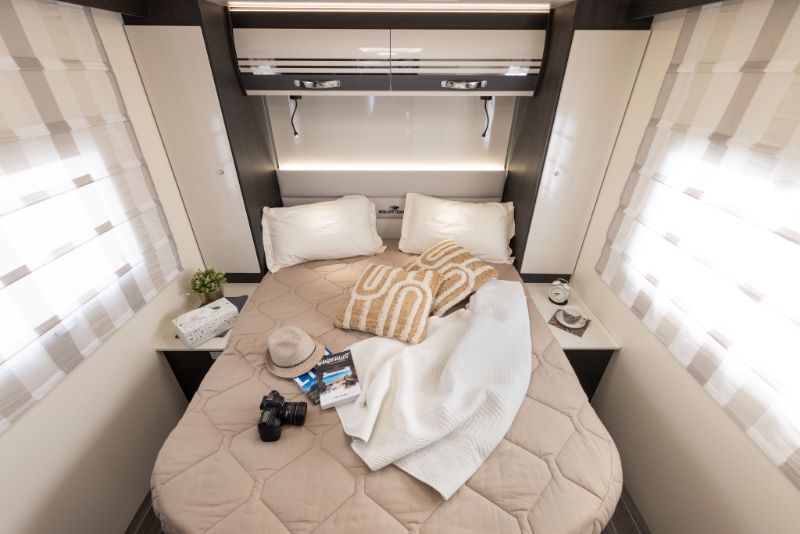 Couples have one of the widest selections of motorhome floorplans because they can choose between compact two-berth vehicles and larger models designed for extended travel.
The best motorhome layout for a couple depends on how they tour:
- A rear lounge suits couples who value relaxation and entertaining.
- An island bed provides easy access and a permanent bedroom.
- Fixed single beds are practical for different sleep routines and often provide excellent storage.
- A French bed helps keep the vehicle comparatively compact.
- A transverse bed works well when garage capacity is a priority.
- A drop-down bed preserves more daytime living space.
- A campervan layout suits frequent travel and shorter stays.
For occasional weekends away, converting the lounge into a bed may be a reasonable compromise. During a six-week tour, however, making and storing the bed every day may become frustrating.
Our guide to the best motorhomes for couples explores these considerations in more detail. You can also browse two-berth motorhomes for sale.
How to Choose the Right Motorhome Layout
The best approach is to think about an ordinary day in the motorhome rather than concentrating only on how it looks in the showroom.
1. Start with your regular travelling party
Choose the layout for the people who will use the motorhome most often. Buying a much larger vehicle for occasional guests can mean accepting additional cost and bulk on every journey. A flexible guest bed may be enough if visitors only join you occasionally.
2. Separate berths from travel seats
A berth is a sleeping space, not necessarily a safe passenger seat. Check that every regular passenger has a designated forward- or rear-facing seat with an appropriate seatbelt.
3. Decide whether you want to make the bed
Permanent beds provide convenience, while convertible beds make more space available during the day. Be realistic about whether daily bed-making will bother you.
4. Consider bed access
Check whether you need to climb a ladder, step over your partner or use a raised bed. Island beds and fixed single beds generally provide easier access, while over-cab and high transverse beds can involve more climbing.
5. Examine the storage
Think about what you genuinely take away. Cyclists may need a large garage, while extended touring requires wardrobes, food storage and space for outdoor furniture. Check the garage payload as well as its physical dimensions.
6. Test the kitchen and washroom
Stand where you would prepare food and check whether worktop space remains when the hob and sink are in use. Sit on the toilet, step into the shower and close the doors. A washroom that looks adequate may feel very different once occupied.
7. Check the layout in every mode
Lower the drop-down bed, extend the table and turn the lounge into its sleeping arrangement. Open cupboards and doors at the same time. This will reveal whether different areas obstruct one another.
8. Consider the vehicle’s size and weight
A more spacious layout usually means a longer or heavier motorhome. Check your driving licence entitlement, the vehicle’s maximum authorised mass and its available payload. Make sure it will also fit your driveway or storage location.
Why Choose Dicksons of Perth for Your Next Motorhome?
Choosing the right motorhome layout is much easier when you can compare different vehicles in person. Dicksons of Perth has been a family-led dealership since 1958, helping customers across Scotland find motorhomes, campervans and caravans that suit the way they want to travel.
Based on The Motorhome Mile in Perth, Dicksons offers a wide choice of new and quality used models from leading brands including Malibu, Pilote, Rapido, Itineo, Roller Team and Auto-Sleepers. As Scotland’s only authorised Malibu motorhome dealer, the team can also help buyers explore premium continental layouts and luxury touring options.
For anyone still deciding which layout suits them best, Dicksons also offers motorhome and campervan hire, giving you the chance to try life on the road before committing to a purchase. With pet-friendly hire options and drop-off points across Scotland, it is a practical way to test different sleeping, storage and living arrangements before choosing your next adventure vehicle.
View Different Motorhome Layouts at Dicksons of Perth
Floorplans and photographs are useful for narrowing down your options, but nothing compares to walking through a motorhome and testing how the space feels.
At Dicksons of Perth, you can compare a wide selection of new motorhomes and approved used motorhomes from leading manufacturers. Our team can help you assess different bed arrangements, storage solutions, lounge configurations and vehicle sizes according to your travel plans. Visit our Perth dealership to explore the available motorhome layouts and find a vehicle that works for the way you want to travel.
Frequently Asked Questions About Motorhome Layouts
Island beds and fixed single beds are excellent for couples who want a permanent sleeping area and easy bed access. A rear lounge may be better for couples who prioritise daytime comfort and do not mind converting the seating at night. Campervans and compact coachbuilt motorhomes can suit couples who value manoeuvrability.
An island bed is a type of fixed bed with access from both sides. Choose an island bed if you want easier access and a bedroom-like layout. A French or transverse fixed bed may be more suitable if you want a shorter motorhome or a larger garage and are comfortable accessing the bed from one side or the foot.
Fixed single and transverse-bed layouts often provide the largest rear garages because the beds are positioned above the storage compartment. Island beds can also offer substantial storage underneath, particularly when the bed height is adjustable. Always check the garage’s dimensions and permitted payload, not simply its apparent size.
Fixed bed layouts are among the most popular because they provide a permanent sleeping area and reduce the need to convert the lounge each evening. Island beds, fixed single beds and rear lounges are also common choices, depending on whether comfort, storage or daytime living space is the priority.
For longer trips, many buyers prefer a fixed bed layout with good storage, a practical kitchen and a comfortable washroom. Fixed single beds, island beds and transverse beds can work especially well because they provide dedicated sleeping space and often include useful garage storage.
Yes. Hiring a motorhome before buying can help you understand how different beds, kitchens, washrooms and storage spaces work in real life. Dicksons of Perth offers motorhome and campervan hire, which can be a useful way to test a layout before committing to a purchase.
A berth is a sleeping space, while a travel seat is a belted seat designed for passengers while the motorhome is moving. A motorhome may have more berths than travel seats, so always check both before buying.
